Source Earbuds Case for Storage, Protection, and Travel
Explore 30 options for the Earbuds Case featuring waterproof, shock-absorbent, and dirt-resistant designs. Buyers can compare customization, material, and pricing to find suitable suppliers for personal or corporate needs.
Key considerations
Products List


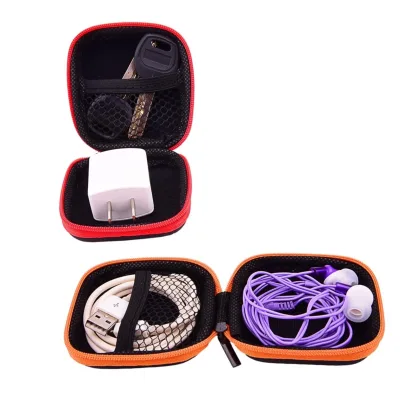
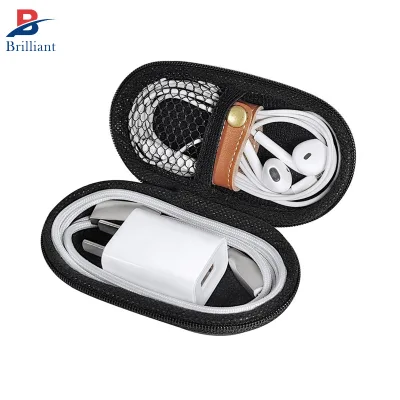
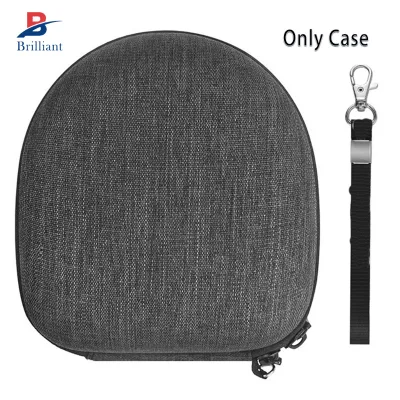
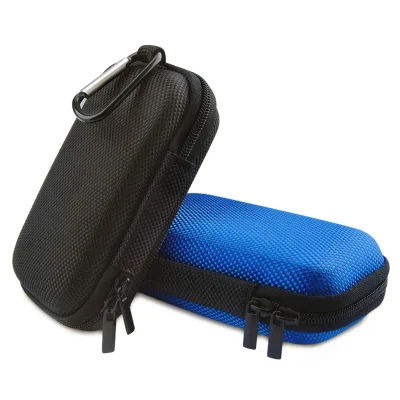


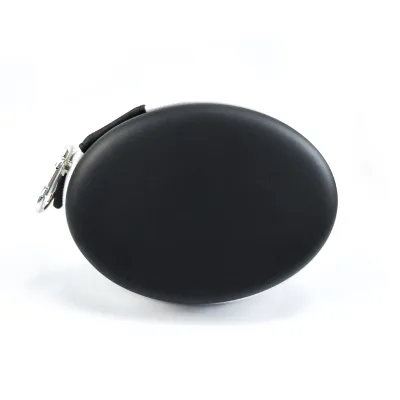
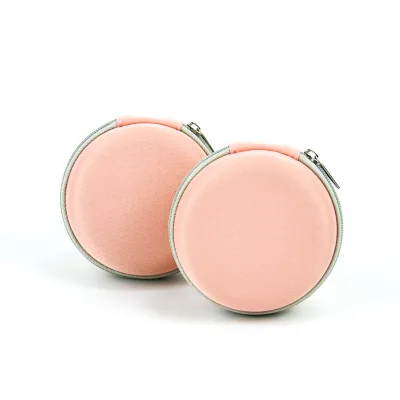
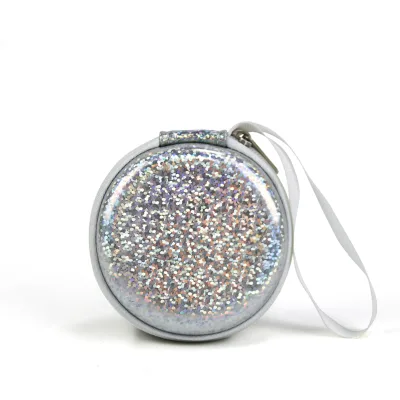
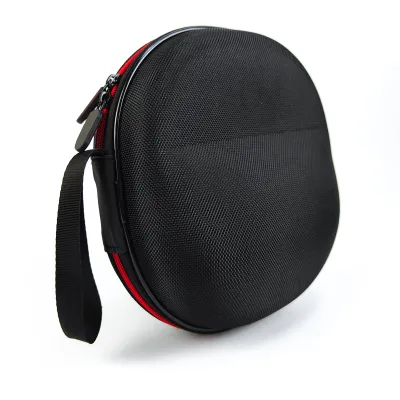
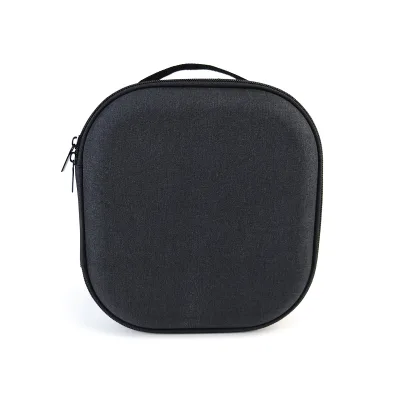
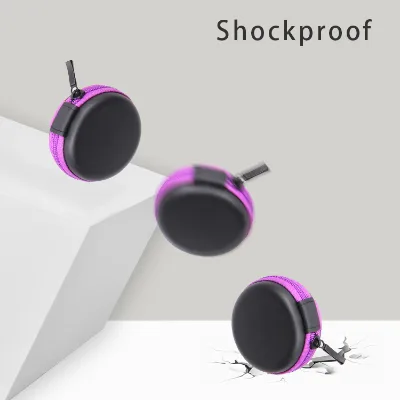
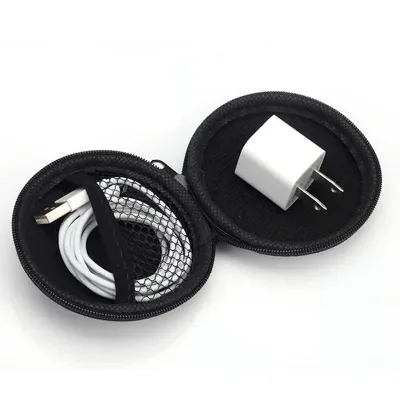
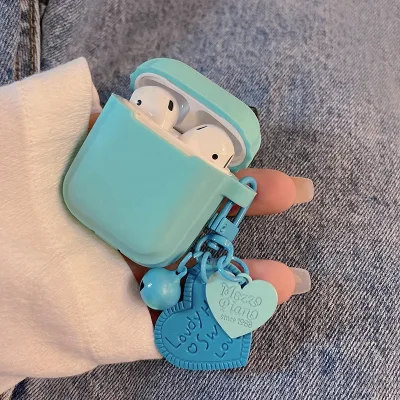


Custom Size Luxury Earphones Case Leather Earbud Cover for Air Pods Case
$1.25 - $1.98
MOQ: 500 Pieces


Comprehensive Sourcing Guide
Strategic Sourcing Guide for Earbuds Cases
Understanding Material Composition and Functional Attributes
When sourcing earbuds cases, the primary decision point often revolves around the material composition, which dictates the product's durability, weight, and protective capabilities. Based on available market data, the industry frequently utilizes Silicone Resin and Ethylene-Vinyl Acetate (EVA) as the dominant materials for these protective accessories. Silicone Resin cases are often characterized by a medium-soft hardness, offering a tactile feel that is comfortable to handle while providing a degree of flexibility. This material choice is particularly effective for shock absorption, a critical feature for protecting delicate wireless earbuds from impact during daily commutes or travel.
In contrast, EVA-based cases are noted for their structural rigidity and ability to be molded into specific shapes. The observed product listings indicate that EVA is a versatile material capable of being customized in size and color, making it suitable for various branding needs. Both material types share a common set of functional attributes essential for modern consumers. These include water resistance, dirt resistance, and anti-slip properties, ensuring the case remains secure in a pocket or bag. Furthermore, the aesthetic dimension is significant; many products feature cartoon styles or fashionable designs that cater to unisex, male, and female demographics. The ability to customize the logo and color is a standard expectation, allowing businesses to align the product with their specific brand identity.
Technical Specifications and Customization Parameters
Technical specifications for earbuds cases vary significantly depending on the intended model and the specific requirements of the buyer. A critical aspect of the sourcing process is understanding the range of physical dimensions available. Market observations show that single package sizes can range from compact dimensions like 13x11x9 cm to larger configurations such as 25x25x15 cm or 26x23x13 cm. These variations suggest that the cases are designed to accommodate different form factors of earbuds, from standard in-ear models to larger over-ear or specific brand-specific designs.
The model numbers associated with these products, such as BWL-I-025, BWL-I-017, and BWL-200099, indicate a structured product line where each model likely corresponds to specific size and feature sets. Buyers must verify the exact single gross weight, which has been observed at 0.300 kg and 0.500 kg for different units. This weight variance is crucial for logistics planning, as it directly impacts shipping costs and the overall weight of the final shipment. Additionally, the closure type is a key specification; zipper closures are commonly cited, providing a secure seal against dust and moisture.
Customization is a central pillar of the Earbuds Case market. Suppliers frequently offer "Accept Customized Size" and "Customized Color" options, allowing buyers to tailor the product to unique requirements. The ability to accept customized logos is also a standard feature, enabling OEM and ODM services. This flexibility extends to the packaging, with retail boxes being a common standard, though the specific dimensions of the packaging must be confirmed to ensure efficient container loading. When evaluating technical specs, buyers should also consider the compatibility with specific brands, such as iPhone, to ensure the case fits the intended earbud models perfectly.
Compliance, Certification, and Quality Standards
Ensuring that sourced earbuds cases meet international safety and environmental standards is a non-negotiable aspect of B2B procurement. The supply chain for these products often involves adherence to rigorous certifications. Observed data indicates that reputable manufacturers may hold ISO9001 certification, which validates their quality management systems. Furthermore, environmental compliance is increasingly important, with ROHS and REACH certifications being standard requirements for products entering the European and North American markets. These certifications ensure that the materials used, particularly the silicone and EVA, are free from hazardous substances that could pose risks to consumers.
While some background information mentions CE certification, buyers should treat this as a verification point rather than an automatic guarantee. It is essential to request current, valid certificates for each batch of products to confirm that the specific items being sourced comply with the latest regulatory updates. The production standards also include specific weight limits, such as a product standard of 0.25kg, which may serve as a benchmark for quality control during the manufacturing process.
Quality control should not be limited to the final product but must extend to the raw materials. Since the hardness is described as "Medium Soft," suppliers must demonstrate consistency in the curing process for silicone or the foaming process for EVA to prevent variations in texture and durability. Buyers should also verify that the "Shockproof Dustproof" features are not merely marketing claims but are backed by internal testing protocols. The presence of a "23 Years Bag Experience" for some suppliers suggests a depth of industry knowledge, but this should be corroborated with references or case studies rather than accepted as a standalone fact.
Cost Drivers and Pricing Dynamics
The pricing structure for earbuds cases is influenced by a complex interplay of factors, including material costs, customization levels, order volume, and logistics. The observed price range in the market spans from $0.01 to $7.63 USD, a wide variance that reflects differences in material quality, design complexity, and branding requirements. Basic, non-customized EVA cases likely occupy the lower end of this spectrum, while premium silicone resin cases with intricate cartoon designs or luxury finishes command higher prices.
Order Volume is a significant cost driver. The Minimum Order Quantity (MOQ) varies widely, with observed ranges from 10 to 3000 units, and specific model lines often requiring MOQs of 500 or 1000 pieces. Buyers must balance the desire for lower unit costs with the financial risk of holding inventory. Higher order volumes typically unlock better pricing tiers, but the initial capital outlay increases. Additionally, the cost of customization, such as adding a specific logo or altering the color, will add to the base unit price.
Logistics and shipping costs are another critical component of the total landed cost. Suppliers offer various shipping methods, including FedEx, UPS, and DHL, with options for DDP (Delivered Duty Paid) terms. The lead time and delivery time also impact cost; standard delivery times of 7-9 work days or 15-18 work days are common, while some complex orders may require 25-40 days. The sample time, often ranging from 7 to 15 days, adds to the overall timeline before mass production begins. Buyers should factor in these timelines when calculating the total cost of ownership, as expedited shipping or rush production fees can significantly inflate the budget.
Supplier Evaluation and Operational Capabilities
Selecting the right supplier requires a thorough evaluation of their operational capabilities, financial stability, and responsiveness. The supply chain for earbuds cases is primarily centered in China, with specific regions like Jiangxi emerging as production hubs. When evaluating potential partners, buyers should look for suppliers who explicitly welcome OEM and ODM services, indicating a willingness to collaborate on design and manufacturing. The availability of customization options, such as accepting customized logos and sizes, is a strong indicator of a flexible and capable supplier.
Payment terms are a critical factor in supplier selection. The market offers a variety of payment methods, including T/T (Telegraphic Transfer), Western Union, Bank Transfer, Alipay, L/C (Letter of Credit), D/A, D/P, MoneyGram, and Paypal. The most common structure observed involves a 30% deposit followed by a 70% balance, which is standard practice to secure production slots while protecting the buyer's interests. Buyers should ensure that the payment terms align with their company's financial policies and risk tolerance.
Lead time management is another area where supplier performance varies. While some suppliers boast a lead time of just 2-3 work days for production, the total delivery time can extend to 7-9 or 15-18 work days depending on shipping methods. For larger orders, delivery times may stretch to 25-40 days. A reliable supplier will provide clear communication regarding these timelines and have contingency plans for potential delays. The "23 Years Bag Experience" mentioned by some suppliers suggests a level of historical stability, but buyers should verify this through due diligence, such as checking business licenses and client references.
Quality Control and Long-Term Procurement Strategy
Implementing a robust quality control (QC) strategy is essential for maintaining product integrity and brand reputation. Given the functional attributes of waterproof, shock-absorbent, and dirt-resistant properties, QC protocols must include rigorous testing for these specific claims. Buyers should establish clear acceptance criteria for hardness, color consistency, and logo placement. The observation of specific single gross weights (0.300 kg and 0.500 kg) provides a baseline for weight verification during the inspection process. Any deviation from these standards could indicate issues with material density or manufacturing consistency.
Long-term procurement considerations involve building a sustainable relationship with suppliers who can scale with demand. As the market for wireless earbuds continues to grow, the demand for compatible cases will likely increase. Buyers should prioritize suppliers who demonstrate a commitment to continuous improvement and innovation. The ability to customize colors and styles allows for product differentiation, which is vital in a competitive market. Additionally, the use of retail packaging ensures that the product is ready for immediate sale, reducing the need for secondary packaging and streamlining the supply chain.
To mitigate risks, buyers should consider diversifying their supplier base. Relying on a single source can be risky if production issues arise or if there are geopolitical disruptions. Establishing relationships with multiple suppliers in different regions can provide flexibility and resilience. Regular audits and quality checks should be scheduled to ensure that the supplier maintains their standards over time. By focusing on these strategic elements, buyers can secure a reliable supply of high-quality earbuds cases that meet the evolving needs of the market.
FAQs
What materials are used for earbuds cases?
Earbuds cases are primarily made from Silicone Resin or EVA. Silicone offers medium softness and shock absorption, while EVA provides structural rigidity and allows for customized sizes and colors to meet specific branding needs.
Can I customize the logo and color of the case?
Yes, customized logos and colors are available for these products. Suppliers welcome OEM and ODM requests, allowing buyers to tailor the product appearance and branding to align with their specific corporate identity or design requirements.
What is the minimum order quantity for earbuds cases?
The minimum order quantity typically ranges from 10 to 3000 pieces depending on the specific model. Some standard lines require 500 or 1000 pieces, while others may accept lower volumes for sample or trial orders.
How long does production and delivery take?
Production lead time is often 2 to 3 work days, with total delivery times ranging from 7 to 40 days. Specific timelines depend on the shipping method selected, such as FedEx, UPS, or DHL, and the complexity of the order.
Which certifications do the earbuds cases meet?
Reputable manufacturers often hold ISO9001, ROHS, and REACH certifications. These standards ensure the products meet international quality management systems and environmental safety requirements for hazardous substances in materials like silicone and EVA.
What payment methods are accepted for bulk orders?
Accepted payment methods include T/T, Western Union, Bank Transfer, Alipay, L/C, D/A, D/P, MoneyGram, and Paypal. A common structure involves a 30% deposit followed by a 70% balance before shipment.
Are the cases compatible with iPhone earbuds?
Yes, specific models are designed to be compatible with iPhone earbuds. Buyers should verify the model number and size specifications to ensure the case fits the intended earbud form factor perfectly.